
Embarking on the journey of parenthood is a profound experience. Understanding the biological factors that influence fertility is important, especially for those seeking to have children later in life or struggling with fertility issues. One such factor gaining attention in the scientific research is Nicotinamide Adenine Dinucleotide (NAD+).
Until recently, age-related decline in female fertility was considered irreversible. However, groundbreaking research has discovered the potential of NAD+ therapy in the fight against aging. These studies have important clinical implications for slowing down ovarian aging and potentially reversing age-related infertility.
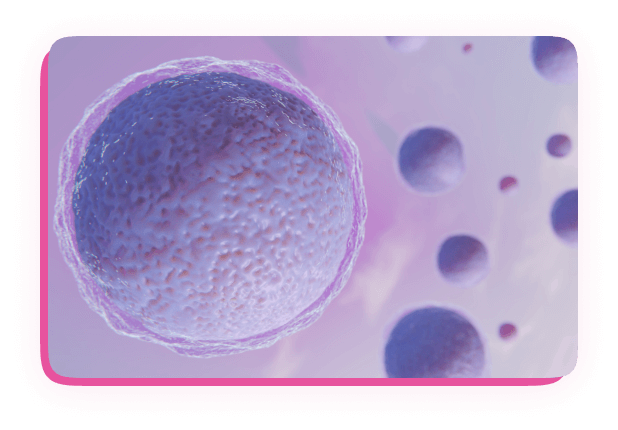

Since the 1960s women have increasingly delayed pregnancy to later in life. Increasing maternal age and subsequent infertility have now become a major hurdle in family planning. As a result, an ever increasing number of advanced-aged women are having to rely on assisted reproductive technologies (ARTs) such as in vitro fertilization (IVF) to get pregnant. However, such treatments are invasive, expensive, carry health risks, and have a limited success rate.
Dr. David Sinclair, renowned professor at Harvard Medical School, has been a trailblazer in the exploration of NAD+ and its impact on aging. His journey began with landmark studies that uncovered the pivotal role of NAD+ in regulating cellular aging processes. Hence the name “The Fountain of Youth Molecule”.
Sinclair’s research has unveiled a stark reality: as we age NAD+ levels plummet across diverse tissues. By age 40 our NAD+ levels have dropped by 50% compared to youthful levels and continue to decrease as we get older. This decline is not an insignificant result of aging, but rather a driving force behind the aging process and also the onset of female age-related infertility.
This breakthrough research is the foundation that has provided doctors and fertility specialists the confidence to prescribe pharmaceutical grade NAD+ as an anti-aging therapy and natural fertility enhancer for women.


Advanced maternal age contributes to declining oocyte (egg) quality, which can be a major hurdle in getting pregnant whether naturally or through IVF. In fact, oocyte quality is considered to be the most important factor when it comes to female fertility.
A landmark 2020 study at Harvard University by Dr. David Sinclair has proven that oocyte quality is significantly dependent on NAD+ [1]. The study also shows that replenishing NAD+ levels through supplementation can actually restore oocyte quality, embryo development, and functional fertility in aged-mice.
Amazingly, in the same study, NAD+ supplementation tripled the fertility rate of age-miced. Developmental milestones in offspring were also improved, indicating the potential of NAD+ repletion in supporting development and cognitive function.
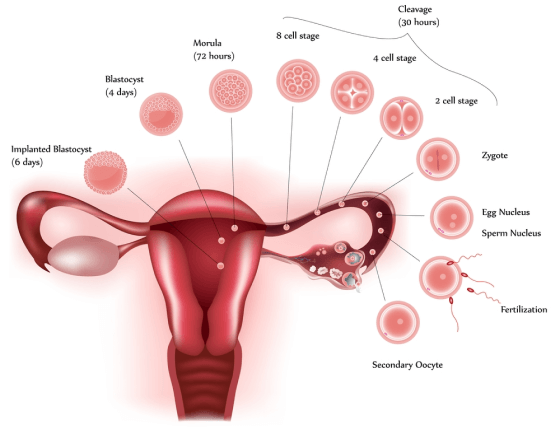
Declining NAD+ levels are a critical factor when it comes to age-related infertility. Maintaining adequate levels of NAD+ through supplementation may improve fertility outcomes in women and support a healthy pregnancy.
Results from animal models suggest that late-life restoration of NAD+ levels presents an exciting opportunity to rescue female reproductive function. Furthermore, NAD+ deficiency has been associated with increased incidences of miscarriage and congenital defects in both humans and animals. NAD+ boosting compounds such as FertiliNAD show great potential for improving fertility and reproductive health in humans.
Research also indicates that NAD+ therapy may be beneficial in supporting in vitro fertilization (IVF) treatment. Maintaining the quality of oocytes is crucial for successful IVF outcomes. IVF helps to inseminate the egg, but it cannot improve egg quality or reverse age-related defects. Replenishing NAD+ levels may contribute to healthier and more viable eggs, thus potentially increasing IVF success rates.
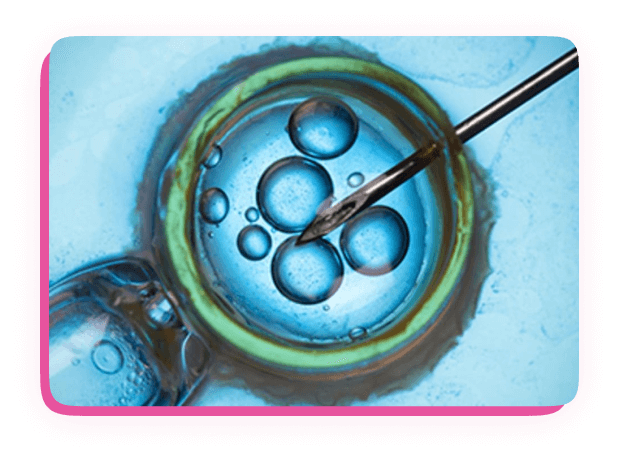
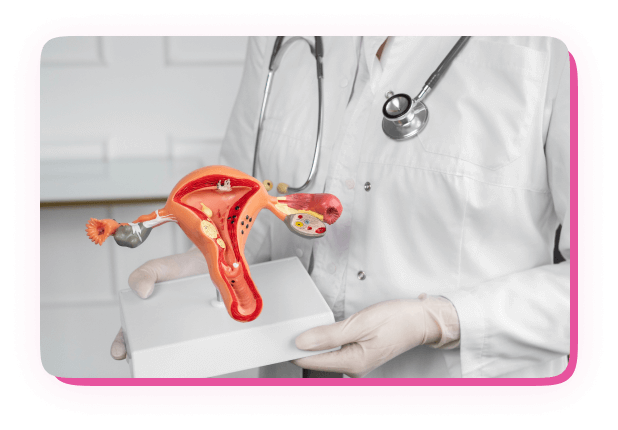
Many peer-reviewed research papers have investigated how NAD+ works to promote reproductive health. NAD+ has been shown to address the primary factors that contribute to ovarian aging and age-related female infertility:
NAD+ supports cellular detoxification pathways, helping to neutralize harmful chemicals and pollutants that can contribute to ovarian aging.
NAD+ serves as a substrate for enzymes involved in DNA repair, facilitating the removal and replacement of damaged DNA in ovarian cells.
NAD+ supports DNA stability by promoting proper chromatin structure and function, reducing the likelihood of DNA damage caused by environmental and endogenous factors.
Adequate NAD+ levels are crucial for cellular repair mechanisms, promoting the restoration of damaged ovarian cells and tissues to preserve reproductive function.
NAD+ acts as a cofactor for antioxidant enzymes, scavenging free radicals and reducing oxidative damage to ovarian cells.
NAD+ fuels mitochondrial respiration and ATP production, enhancing mitochondrial function in ovarian cells to maintain energy supply and reduce cellular dysfunction associated with aging.
sirtuins and poly-ADP-ribose polymerases (PARPs) are genes that regulate fertility and influence oocyte maturation and embryo development.
NAD+ activation of sirtuins also helps regulate inflammatory pathways, reducing chronic inflammation that can accelerate ovarian aging.
Understanding the pivotal role of NAD+ in oocyte quality and age-related infertility opens new doors for potential interventions in reproductive medicine. While the field of NAD+ and fertility is still developing, FertiliNAD shows promise as a supportive therapy to enhance fertility and provide benefits to women struggling with fertility problems.
We have highlighted the most important sections, so you can read quickly and easily.

Nicotinamide Adenine Nucleotide—The Fountain of Youth to Prevent Oocyte Aging?
Impact of NAD+ metabolism on ovarian aging

NAD+ Repletion Rescues Female Fertility during Reproductive Aging
For more research on NAD+ and fertility see our list of recommended further reading below.
1. Bertoldo, M. J., Listijono, D. R., Ho, W. J., Riepsamen, A. H., Goss, D. M., Richani, D., Jin, X. L., Mahbub, S., Campbell, J. M., Habibalahi, A., Loh, W. N., Youngson, N. A., Maniam, J., Wong, A. S. A., Selesniemi, K., Bustamante, S., Li, C., Zhao, Y., Marinova, M. B., Kim, L. J., … Wu, L. E. (2020). NAD+ Repletion Rescues Female Fertility during Reproductive Aging. Cell reports, 30(6), 1670–1681.e7. https://www.ncbi.nlm.nih.gov/pmc/articles/PMC7063679/
2. Liang, J., Huang, F., Song, Z., Tang, R., Zhang, P., & Chen, R. (2023). Impact of NAD+ metabolism on ovarian aging. Immunity & ageing : I & A, 20(1), 70.https://www.ncbi.nlm.nih.gov/pmc/articles/PMC10693113/
3.  Kordowitzki, P., Ho, W. J., & Listijono, D. R. (2021). Nicotinamide Adenine Nucleotide-The Fountain of Youth to Prevent Oocyte Aging?. Cells, 10(9), 2441. https://doi.org/10.3390/cells10092441
4. Tatone C, Di Emidio G, Barbonetti A, Carta G, Luciano AM, Falone S, Amicarelli F. Sirtuins in gamete biology and reproductive physiology: emerging roles and therapeutic potential in female and male infertility. Hum Reprod Update. 2018 May 1;24(3):267-289. https://pubmed.ncbi.nlm.nih.gov/29447380/
5. Yang, Q., Cong, L., Wang, Y., Luo, X., Li, H., Wang, H., Zhu, J., Dai, S., Jin, H., Yao, G., Shi, S., Hsueh, A. J., & Sun, Y. (2020). Increasing ovarian NAD+ levels improve mitochondrial functions and reverse ovarian aging. Free radical biology & medicine, 156, 1–10. https://www.sciencedirect.com/science/article/abs/pii/S0891584920304214
6. Meyer-Ficca, M. L., Zwerdling, A. E., Swanson, C. A., Tucker, A. G., Lopez, S. A., Wandersee, M. K., Warner, G. M., Thompson, K. L., Chini, C. C. S., Chen, H., Chini, E. N., & Meyer, R. G. (2022). Low NAD+ Levels Are Associated With a Decline of Spermatogenesis in Transgenic ANDY and Aging Mice. Frontiers in endocrinology, 13, 896356. https://www.ncbi.nlm.nih.gov/pmc/articles/PMC9120959/
7. Labarta, E., de Los Santos, M. J., Escribá, M. J., Pellicer, A., & Herraiz, S. (2019). Mitochondria as a tool for oocyte rejuvenation. Fertility and sterility, 111(2), 219–226. https://pubmed.ncbi.nlm.nih.gov/30611551/
8. Tatone, C., Di Emidio, G., Vitti, M., Di Carlo, M., Santini, S., Jr, D'Alessandro, A. M., Falone, S., & Amicarelli, F. (2015). Sirtuin Functions in Female Fertility: Possible Role in Oxidative Stress and Aging. Oxidative medicine and cellular longevity, 2015, 659687. https://pubmed.ncbi.nlm.nih.gov/26075037/
9. Di Emidio, G., Falone, S., Artini, P. G., Amicarelli, F., D'Alessandro, A. M., & Tatone, C. (2021). Mitochondrial Sirtuins in Reproduction. Antioxidants (Basel, Switzerland), 10(7), 1047. https://www.ncbi.nlm.nih.gov/pmc/articles/PMC8300669/
10. Yang, L., Lin, X., Tang, H., Fan, Y., Zeng, S., Jia, L., Li, Y., Shi, Y., He, S., Wang, H., Hu, Z., Gong, X., Liang, X., Yang, Y., & Liu, X. (2020). Mitochondrial DNA mutation exacerbates female reproductive aging via impairment of the NADH/NAD+ redox. Aging cell, 19(9), e13206. https://www.ncbi.nlm.nih.gov/pmc/articles/PMC7511885/
11. Iljas, J. D., Wei, Z., & Homer, H. A. (2020). Sirt1 sustains female fertility by slowing age-related decline in oocyte quality required for post-fertilization embryo development. Aging cell, 19(9), e13204. https://www.ncbi.nlm.nih.gov/pmc/articles/PMC7511857/
12. Pollard, C. L., Gibb, Z., Swegen, A., & Grupen, C. G. (2022). NAD+, Sirtuins and PARPs: enhancing oocyte developmental competence. The Journal of reproduction and development, 68(6), 345–354. https://www.ncbi.nlm.nih.gov/pmc/articles/PMC9792654/
13. Pollard C. L. (2024). Can Nicotinamide Adenine Dinucleotide (NAD+) and Sirtuins Be Harnessed to Improve Mare Fertility?. Animals : an open access journal from MDPI, 14(2), 193. https://pubmed.ncbi.nlm.nih.gov/38254361/
14. Min, H., Lee, M., Cho, K. S., Lim, H. J., & Shim, Y. H. (2021). Nicotinamide Supplementation Improves Oocyte Quality and Offspring Development by Modulating Mitochondrial Function in an Aged Caenorhabditis elegans Model. Antioxidants (Basel, Switzerland), 10(4), 519. https://www.ncbi.nlm.nih.gov/pmc/articles/PMC8066965/
15. Qiu, D., Hou, X., Han, L., Li, X., Ge, J., & Wang, Q. (2018). Sirt2-BubR1 acetylation pathway mediates the effects of advanced maternal age on oocyte quality. Aging cell, 17(1), e12698. https://pubmed.ncbi.nlm.nih.gov/29067790/
16. Kawamura, Y., Uchijima, Y., Horike, N., Tonami, K., Nishiyama, K., Amano, T., Asano, T., Kurihara, Y., & Kurihara, H. (2010). Sirt3 protects in vitro-fertilized mouse preimplantation embryos against oxidative stress-induced p53-mediated developmental arrest. The Journal of clinical investigation, 120(8), 2817–2828. https://www.ncbi.nlm.nih.gov/pmc/articles/PMC2912189/
17. Sirotkin A. V. (2016). The Role and Application of Sirtuins and mTOR Signaling in the Control of Ovarian Functions. Cells, 5(4), 42. https://www.ncbi.nlm.nih.gov/pmc/articles/PMC5187526/
18. Huang, P., Zhou, Y., Tang, W., Ren, C., Jiang, A., Wang, X., Qian, X., Zhou, Z., & Gong, A. (2022). Long-term treatment of Nicotinamide mononucleotide improved age-related diminished ovary reserve through enhancing the mitophagy level of granulosa cells in mice. The Journal of nutritional biochemistry, 101, 108911. https://pubmed.ncbi.nlm.nih.gov/34801690/